

Maintenance manuals for palletizing robots usually cover several key aspects to ensure the long-term stable operation and extended service life of the robot. Here's a rundown of a simplified palletizing robot maintenance manual:
1. Daily maintenance
Cleaning: Wipe the surface of the robot with a soft, dry cloth every day or after each use, making sure there are no dust, oil, or other impurities. Special attention is paid to cleaning the robot's sensors, lenses, and other critical components to ensure that they work properly.
Inspection: Regularly inspect the robot's various parts, including robotic arms, conveyor belts, sensors, etc., to ensure they are intact and tightly connected.
2. Regular maintenance
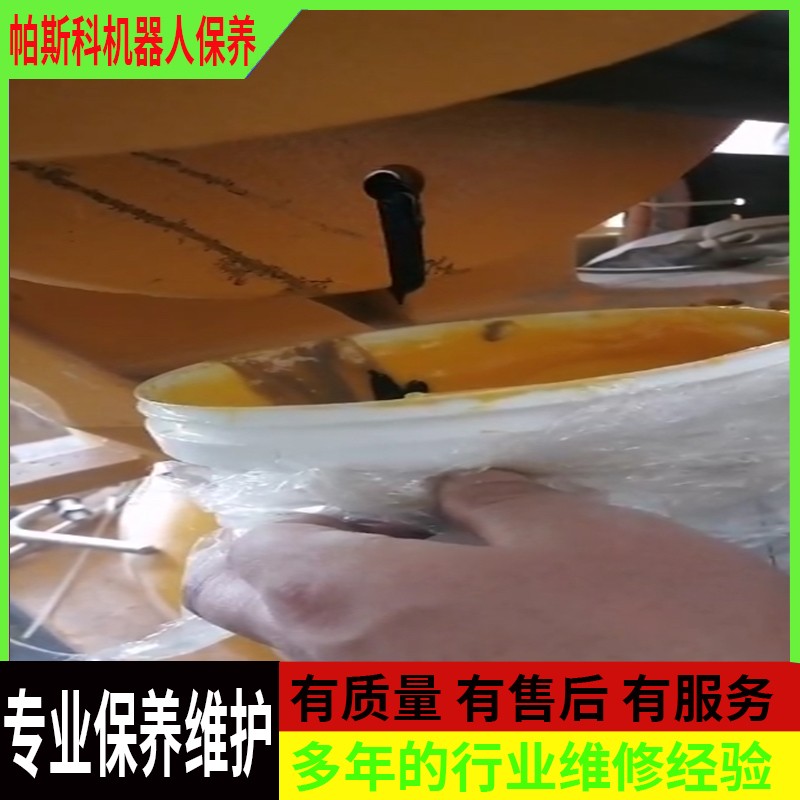
Lubrication: According to the use of the robot and the manufacturer's recommendations, lubricate the key parts of the robot regularly, such as bearings, guide rails, etc. Use appropriate lubricants and ensure that the lubrication system is clean and unobstructed.
Electrical inspection: Check whether the electrical wiring and cables are intact to ensure that there is no aging or breakage. At the same time, check whether the power plug and socket are in good contact to avoid malfunctions caused by electrical problems.
Calibration and commissioning: The robot is calibrated and debugged regularly to ensure that its accuracy and performance are optimal. This includes checking parameters such as the robot's trajectory and gripping force.
3. Professional maintenance
Deep cleaning: Perform regular deep cleaning, which involves opening the robot's case and removing dust and debris from the inside. This requires the use of specialized cleaning tools and materials, as well as ensuring that the robot's internal parts are not damaged during the cleaning process.
WordStr wearing parts: WordStr wearing parts, such as sensors, batteries, etc., regularly according to the use of the robot and the manufacturer's recommendations. This helps to ensure the stable operation and long service life of the robot.
Fourth, maintenance records
Record the maintenance situation: Every time the maintenance is carried out, the date, content, replaced parts and other information of the maintenance should be recorded. This helps to track the robot's maintenance history, identify potential problems in time, and provide a reference for future maintenance work.
Please note that the specific service interval and content may vary depending on factors such as the model of the robot, the environment in which it is used, and the production task. Therefore, in actual operation, it is recommended to refer to the robot's instruction manual and the manufacturer's maintenance guide to ensure the accuracy and effectiveness of the maintenance work. At the same time, if you encounter problems that cannot be solved or need more professional maintenance services, please contact a professional robot repair service provider in time.
德律风:400-0000-000
邮箱: pasikebaoyang@163.com
地点:168官网预测赛果记录省,泰安市,肥都会泰临路301号

 扫扫后存眷公家号
