

自然支配技术标准:
安养保护区细则:
静谧操作规范:
安养保护英文规范:
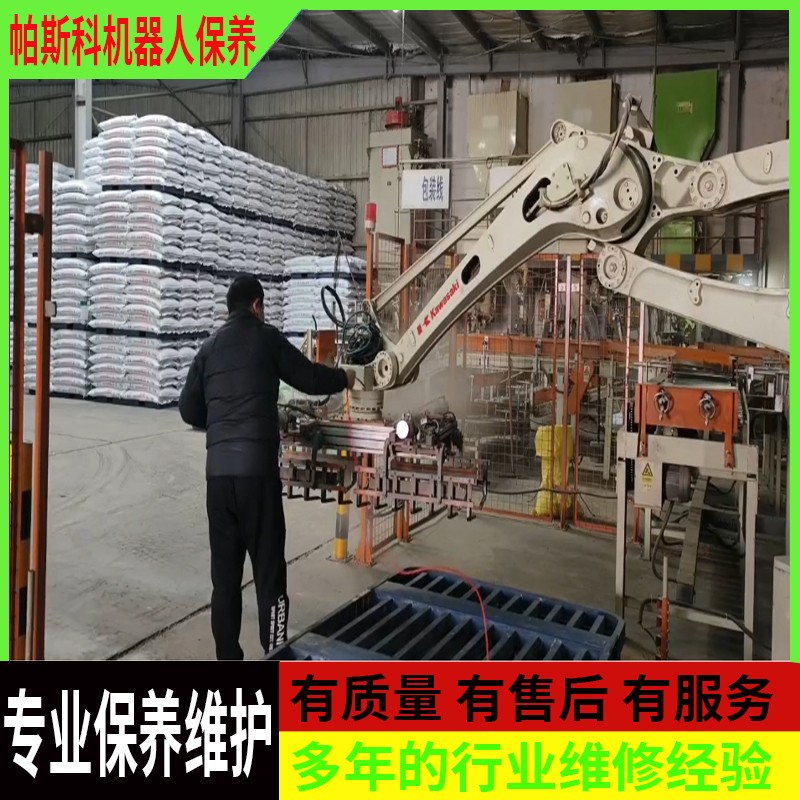
Safe operation and maintenance procedures for automatic palletizers are essential to ensure the proper operation of equipment, extend the service life and ensure the safety of operators. The following are some basic procedures for the safe operation and maintenance of automatic palletizers:
Safety Operating Procedures:
Pre-boot inspection:
Check for obstructions around the palletizer and make sure the work area is clean and tidy.
Check whether the power and air supply of the equipment are properly supplied.
Check whether the control system of the palletizer is operating normally and there is no abnormal situation.
Parameter setting: According to the type and specification of the goods, set the relevant parameters on the control panel of the palletizer, including stacking height, stacking method, etc., and check whether the parameter settings are accurate.
To get started:
Press the start button to make the palletizer start working.
Ensure that the palletizer's path is unobstructed to avoid collisions with other equipment or personnel.
During the working process of the palletizer, closely observe its operating status, and if there is any abnormal situation, stop the machine immediately and report it.
Done:
When the palletizer finishes the stacking and palletizing task, press the stop button to stop it from working.
Check whether the stacked and stacked goods meet the requirements, and make adjustments or corrections in time if there are problems.
Clean up the work area and clean up the debris and garbage around the palletizer.
Turn off the power and air supply of the palletizer.
Maintenance Procedures:
Daily maintenance:
At the end of each day's use, clean the equipment, especially the transport chain and conveyor belt.
Adjust the chain tension to ensure that the chain is not loose or tight.
Lubricate all parts of the equipment to ensure the normal operation of the equipment.
Inspect the protective nets and wiring of maintenance equipment.
Regular inspection and maintenance:
Clean the appliance thoroughly with a high-pressure water gun or detergent.
WordStr worn parts of the equipment such as transport chains, conveyor belts, tires, etc.
Check whether the wires and pipes are aged and replace them in time.
Inspect the lubrication system of the equipment and repair or replace it if any abnormalities are found.
Develop a maintenance plan and perform regular maintenance and maintenance of the equipment.
Please note that specific safe operation and maintenance procedures may vary depending on the model, manufacturer, and environment in which the equipment is used. Therefore, in practice, it is recommended to refer to the operating manual of the equipment or consult the manufacturer for more detailed and accurate guidance. At the same time, adequate training should be provided to operation and maintenance personnel to ensure that they understand and comply with these procedures to ensure the safety of equipment and personnel.
德律风:400-0000-000
邮箱: pasikebaoyang@163.com
地点:168官网预测赛果记录省,泰安市,肥都会泰临路301号

 扫解决存眷公家号
