
There can be a variety of reasons why a palletizing robot is always alarming, here are some possible reasons and corresponding solutions:
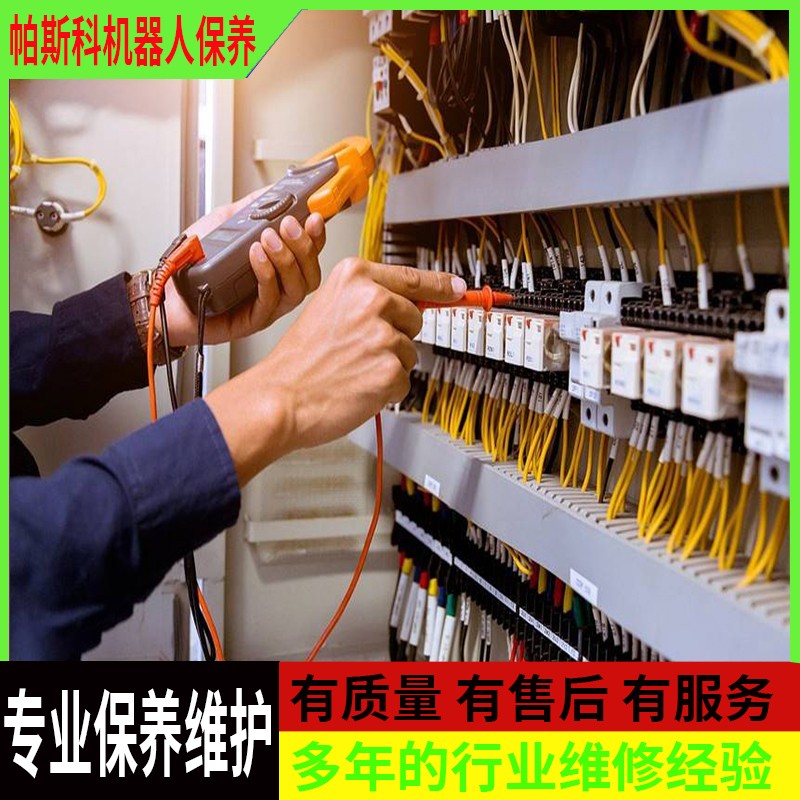
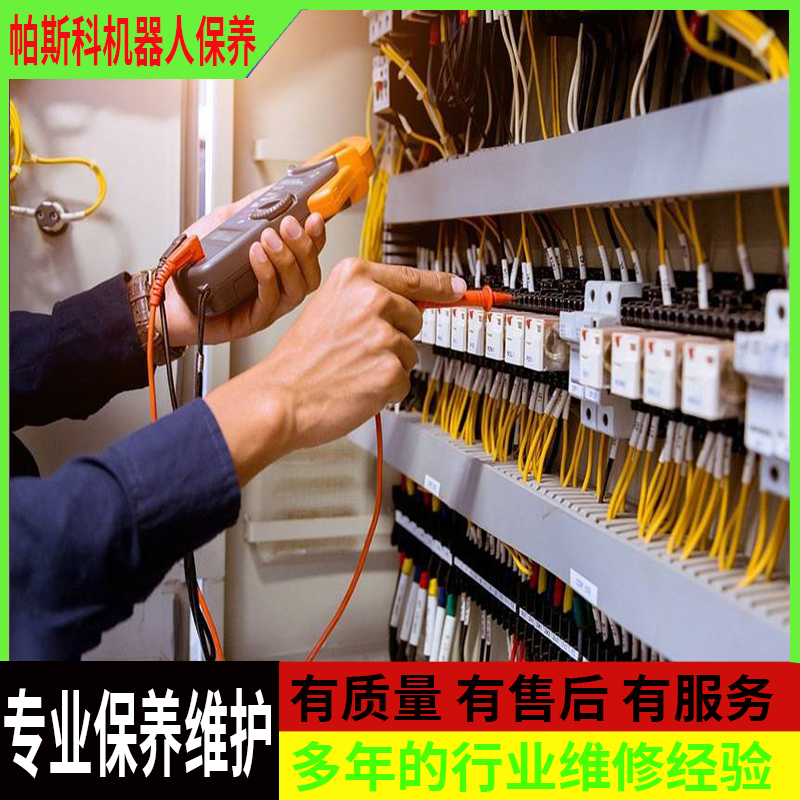
Sensor anomalies: Palletizers use infrared or laser distance sensors to detect information such as material location, height, and quantity. If the sensor system's wires are loose, clogged, or worn, the palletizer may mistakenly think that a problem is present, triggering an alarm. Solutions include checking the sensor system for loose wires and checking for clogged or worn sensor systems.
Signal interference: The palletizer may be in an environment where other devices may be present, and these devices may use similar sensors or communication channels, resulting in signal interference, such as wireless networks, mobile phone towers, high-voltage power lines, etc. To reduce interference, you can install shielding walls or shielding nets inside the factory, or add filters and signal amplifiers, etc.
Robot timeout: The robot may exceed the trajectory limit or the gripper may get stuck in the item when working, resulting in a timeout. At this point, the bot will give you an error message. To solve this problem, first check whether the trajectory and gripper of the robot are normal. If the problem persists, try restarting the bot and program. If the problem is still not solved, you need to contact the after-sales maintenance personnel for further inspection and treatment.
Communication failures: The work of palletizing robots relies on communication between robots, controllers, and other equipment. In the event of a communication failure, the robot may not work properly. At this time, it is necessary to check whether the communication line between the robot and other equipment is normal, and whether there is any damage or looseness. At the same time, you can try to restart the robot and other related devices, and check if the settings and parameters of the devices are correct.
In addition, for Fanuc manipulator palletizers, the alarm reasons may include non-standard motor installation and operation, improper setting of limit stroke protection switches, or damage to the servo motor. To solve these problems, it is necessary to standardize the installation and operation of the motor, ensure that the limit stroke protection switch is set correctly, and replace the servo motor if necessary.
In short, solving the alarm problem of palletizing robots needs to be troubled and dealt with according to the specific situation. If the above methods do not solve the problem, it is recommended to contact the robot manufacturer or professional maintenance personnel for further inspection and repair.
德律风:400-0000-000
邮箱: pasikebaoyang@163.com
地点:168官网预测赛果记录省,泰安市,肥都会泰临路301号

 扫扫视存眷公家号
